"Fascinating Rhythms" of Balkan Dance - 10:00am - 11:45am - Thu (SBVH) - Fri/Sat (EVH)
Read on to see what the workshop instructors have to say about Balkan Dance Rhythms... The first time I saw a Balkan dance with an irregular rhythm, the world opened up a little wider. I was immediately fascinated with all of the possibilities, and was amazed that people came up with these complex patterns. Dancing became not only enjoyable, but somewhat like a puzzle - I was challenged to follow and figure out these new rhythms. International dancing has enriched my life in many ways, but the rhythms and patterns of Balkan dancing stand out in making it interesting and enjoyable. For me, Balkan Rhythms have generally meant some form of syncopation -- either as part of the meter of the music or a dance or step pattern that lays over the music. I believe this "unevenness" in the rhythm finds a resonance or sympathetic harmony in our bodies, which act or beat in an uneven or "non-square" rhythm. These strange meters and rhythms connect me with something very old and elemental, and something that can never be again. Dancing to them there's no possibility of day dreaming (which, being basically ADHD - from before there was such a thing - is always a problem for me); your whole mind and body must be involved because you're always on the edge, always just about to collapse. Thoughts on what Fascinating Rhythms mean to me... Just something beyond 2/4, 3/4, 4/4, 5/8 usual western beats. Or exciting foot rhythms on top of an ordinary beat. In some cases, beats that are almost too tricky to count out, it's easier to work them into your body and flow along with the music. That's it, rhythms that you have to repeat and practice until you can stop trying to count them, and just let the music carry you along. Jubilation! |
|
Instructors |
|
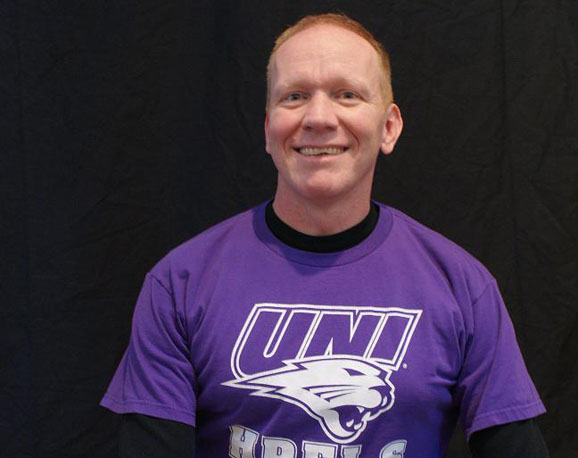
Daniel Wells was a work scholar for DCFF many moons ago in another galaxy and another life during his undergraduate days. After graduation he went on to a professional career in dance. He danced with notable ballet companies like Ballet of the Dolls, the National Ballet of Canada and the Royal Winnipeg Ballet. He did not forget his ethnic roots in dance though and also danced with Ethnic Dance Theater in Minneapolis and with Les Sortilège in Montreal. Daniel currently teaches at the University of Northern Iowa and directs the International Dance Theatre. As part of the research for his PhD, Daniel has been traveling to Bulgaria, Macedonia, and Croatia gathering data about the music and dance of those countries. Teaching: Krivo Horo (Bulgarian) |
 |
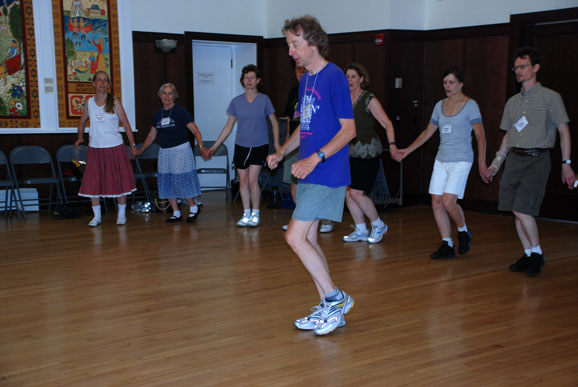
Paul Wagner returns to the DCFF staff. Paul has been dancing, teaching and enjoying folk dance for over 34 years. He currently is one of the leaders of the Eau Claire International Folk Dancers, and has been a member and leader of the Eau Claire international performance group and the Bistra Voda band. While teaching dances from all over the world, Paul especially enjoys the rhythms, music and dance forms of the Balkans. In 2001 Paul completed his doctorate in Computer Science from the University of Minnesota. He teaches computer science at the University of Wisconsin - Eau Claire. In addition to his interest in dance and music, Paul enjoys running, canoeing and kayaking, bird watching and volleyball. Teaching: Piyan Ot Merak (Bulgarian) |
 |
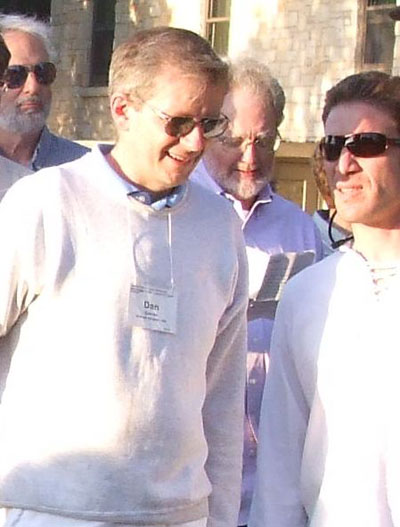
Dan Garvin has taught at the Door County Folk Festival, Chicagoland Spring Fling and other dance groups and festivals around the country. He is a leader at Tapestry - the Twin-Cities locally supported and organized Ethnic Dance Center and one of the organizers of SNOPA! - a Twin-Cities Winter Dance Weekend. He was on the dance committee of the folk dance group at Columbia University at Earle Hall in New York City. He danced in Madison Folk Dance Ensemble when he attended the University of Wisconsin in Madison. Despite being from St Paul [area], he is a member of Tri Bratovchedki, a Balkan singing group from Madison, Wisconsin. Teaching: Barbatesc (Romanian) |
 |
Rick King first danced at the Detroit Folkdance Club in 1973 for about 2 months but didn't dance regularly until 1978 at Alex Cushnier's group at Wayne State University. In 1979 joined the Detroit Folk Dance Club. In 1984, he took a hiatus from dancing and became active again in 1989, dancing 2-3 nights per week. In 1990, he began teaching folk dance classes in Huntington Woods and Southfield, MI and promoting folk dancing in the area, organizing dance workshops featuring local Chaldean and Lebanese ethnic groups. In 1995 he started a monthly dance group on Suns that later moved to alternate Sats in Ferndale. That year he also took a "folk dance" trip to Europe, Bulgaria and the Koprivshtitsa festival. In 1996, Rick became leader of what had formerly been the Wayne State group and moved it to the Ferndale location, dancing two Fris a month, while continuing the monthly Sat group. Eventually the two groups merged into Fris, meeting weekly. At the same time, Rick became the leader for the weekly Monday teaching nights. Rick's music collection goes beyond the basic folk dance "repertoire" recordings and contains more current versions, especially from the Balkans and the Middle East. His loves doing simpler dances to alternative music that has an "ethnic" feel. Rick is also an avid bird watcher. Teaching: Devollice (Albanian) |
_pu.jpg) |
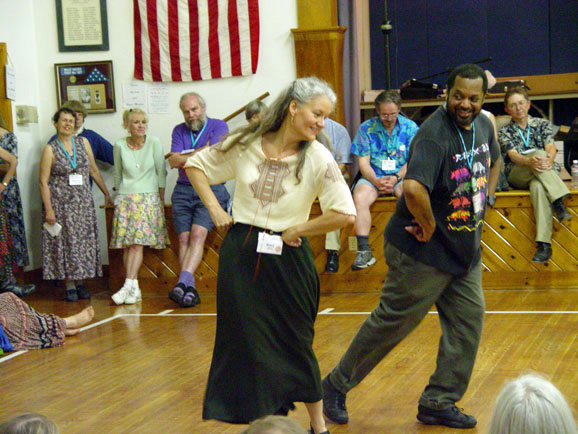
Mary Garvin has taught at the Door County Folk Festival, Chicagoland Spring Fling, Mountain Playshop and other dance groups and festivals around the country. She is a leader at Tapestry Folkdance Center in the Twin-Cities and is one of the organizers of SNOPA! - a Twin-Cities Winter Dance Weekend. She was on the Earl Hall Folk Dance Circle committee at Columbia University in New York City. She was a member of modern & folk dance repertory companies at the University of Oregon, was a college dance Instructor and was a performer in the George Tomov Yugoslav Dance Ensemble. A proud feather in her cap is having been asked by Bulgarians to teach them Bulgarian dances. Mary has become addicted to Argentine tango in the last several years but stays loyal to her international dance roots. Teaching: Piyan Ot Merak (Bulgarian), Krivo Ihtimansko Horo (Bulgarian) |
 |
Michael Kuharski, the perpetrator of Istanbul Bar, started folk dancing in Madison in 1969 & has been leading & teaching in that community ever since. He speaks Serbo-Croatian, Bulgarian, some Macedonian, a little Romanian, less Albanian, & a smattering of “MwaukeeTalk”. He has made 12 trips to the Balkans and regular journeys to Milwaukee to study the folklore, language and culture of the people (particularly Kosovo Albanians, Macedonians, Bulgarians, & Wauwatosans) as well as to collect dances, music, instruments, costumes, friends, red scarves, & anecdotes. Michael is Artistic Director of Ensemble Narodno, the main man behind Folk Ball, a June Camp organizer, & adds energy almost anywhere. He teaches weekly at Madison Folkdance Unlimited, annually at Door County Folk Festival, and elsewhere upon invitation. Michael plays accordion, lugs a tupan around, & transcribes folk songs by the score. Beware of his edited versions of favorite folkdance recordings and try to catch him sitting down! Teaching: Svornato Horo (Bulgarian), Paidusca (Romanian), Trakiiski (Bulgarian) |
 |
